Green Technology Wikipedia: A Comprehensive Overview
Introduction to Green Technology
Green technology, often referred to as environmental technology or clean technology, is a rapidly evolving field that seeks to reduce the negative impact of human activities on the environment. This technology aims to create sustainable solutions that address the challenges of climate change, resource depletion, pollution, and environmental degradation. The term "green technology" encompasses a broad range of innovations, including renewable energy, energy efficiency, waste management, and sustainable transportation. As the global population continues to grow and industrial activities expand, the importance of green technology becomes increasingly critical in achieving a sustainable future.
The Evolution of Green Technology
The concept of green technology has its roots in the environmental movements of the 1960s and 1970s, which brought awareness to the environmental impacts of industrialization and urbanization. The oil crisis of the 1970s further highlighted the need for alternative energy sources, leading to the development of renewable energy technologies such as solar and wind power. Over the years, green technology has evolved to include a wide range of innovations that address various environmental challenges. Today, green technology is at the forefront of efforts to combat climate change and promote sustainable development.
Key Areas of Green Technology
Renewable Energy
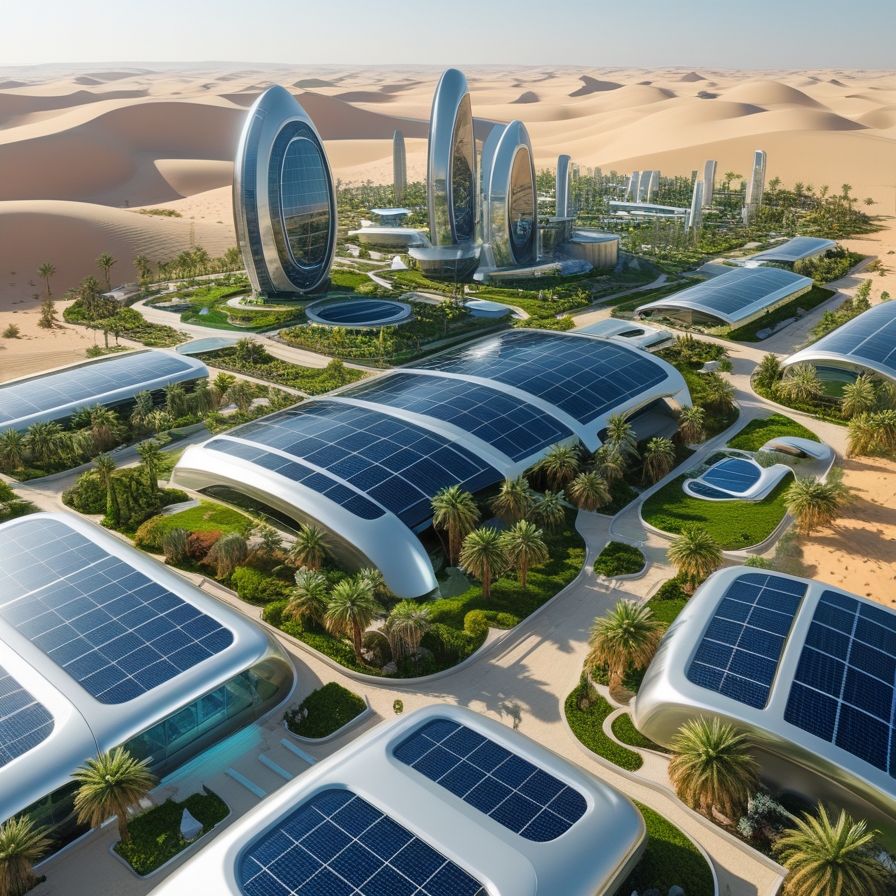
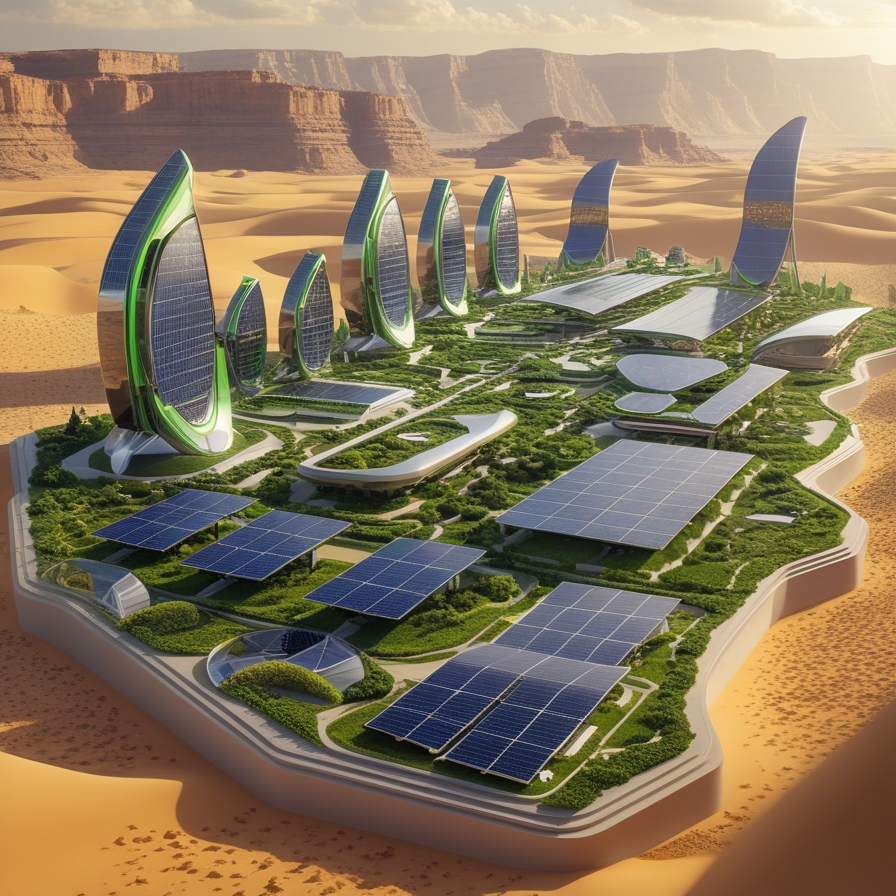
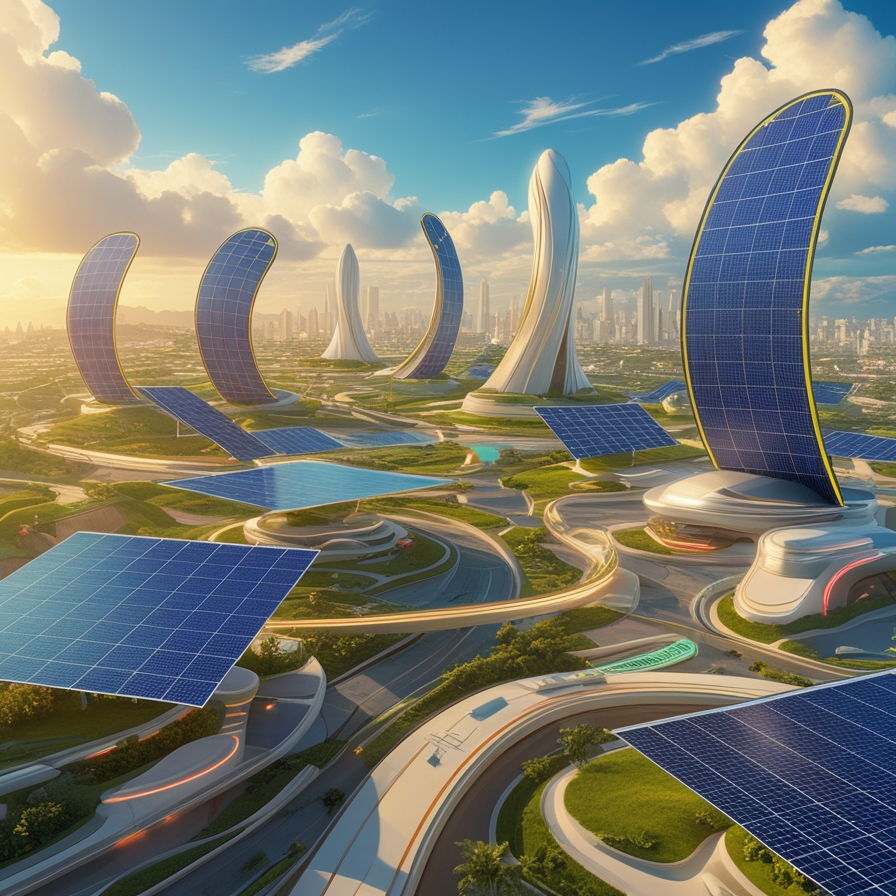
Renewable energy is one of the most significant areas of green technology. It includes energy sources that are naturally replenished, such as solar, wind, hydro, geothermal, and biomass. These energy sources are considered environmentally friendly because they produce little to no greenhouse gas emissions compared to fossil fuels. Solar power, in particular, has seen tremendous growth in recent years, with advancements in photovoltaic technology making it more affordable and accessible. Wind energy has also gained momentum, with wind farms being established in many parts of the world. Hydropower, although a well-established technology, continues to be a major contributor to renewable energy generation.
Energy Efficiency
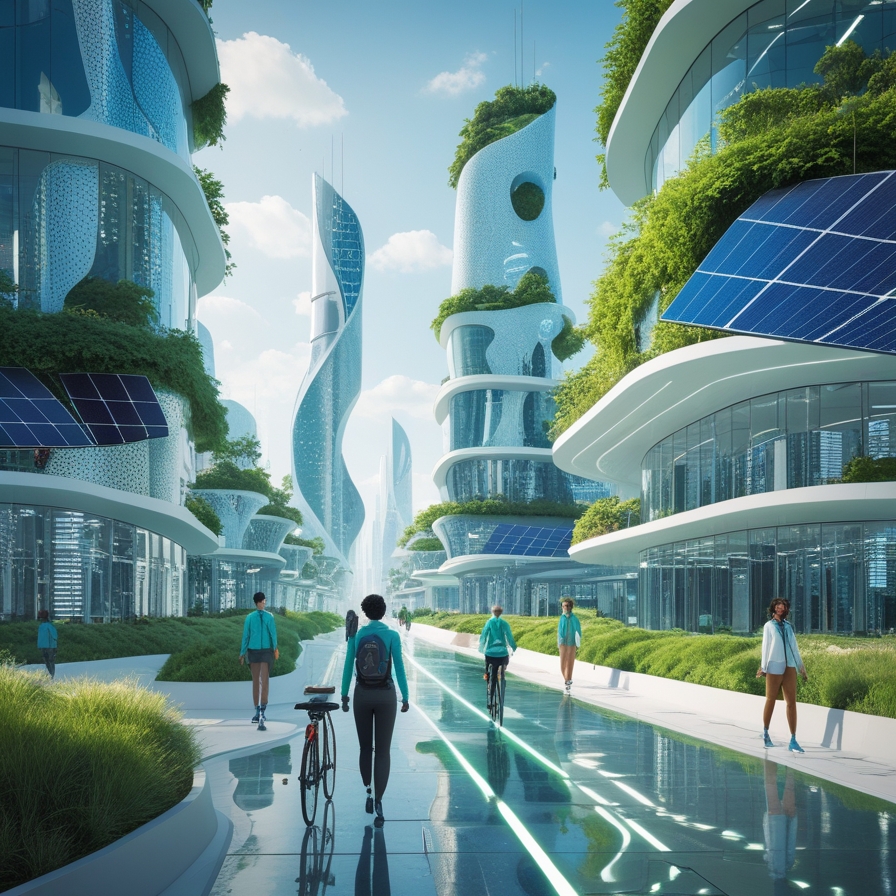
Energy efficiency is another critical component of green technology. It involves using less energy to perform the same tasks, thereby reducing energy consumption and minimizing environmental impact. Energy-efficient technologies include advanced lighting systems, energy-efficient appliances, and smart building systems that optimize energy use. In the transportation sector, electric vehicles (EVs) are becoming increasingly popular as a more energy-efficient alternative to traditional gasoline-powered vehicles. The adoption of energy-efficient technologies not only helps reduce greenhouse gas emissions but also lowers energy costs for consumers and businesses.
Sustainable Transportation
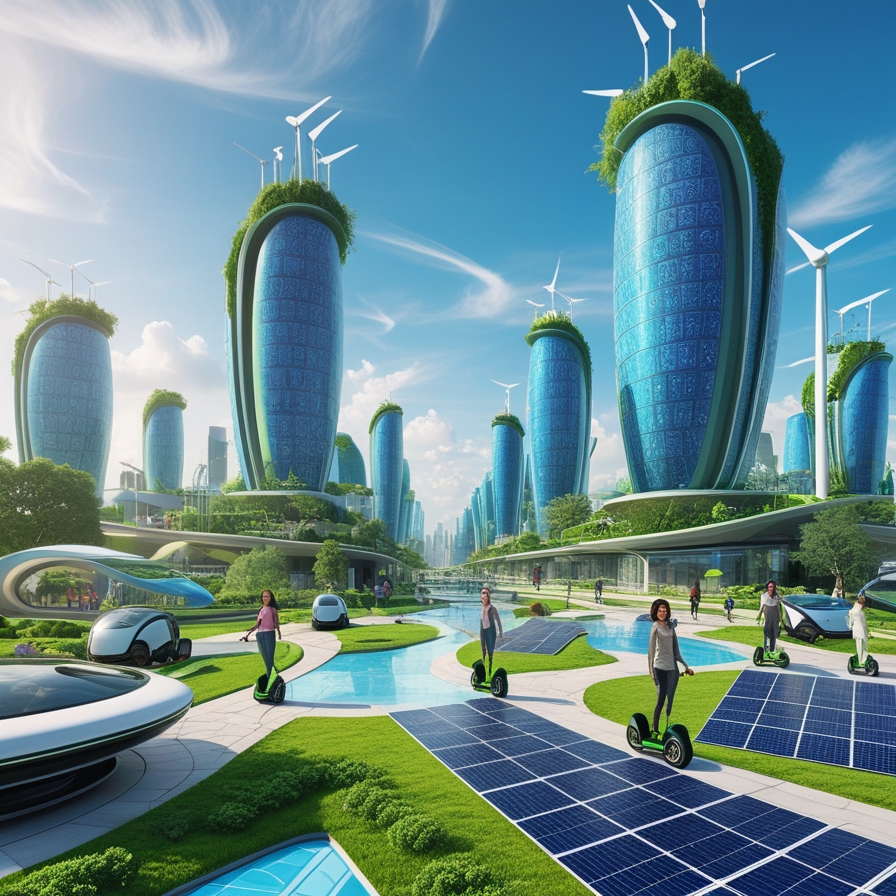
Sustainable transportation is a key focus area within green technology, aiming to reduce the environmental impact of transportation systems. This includes the development of electric vehicles, hybrid vehicles, and fuel-efficient public transportation systems. The rise of electric vehicles has been a game-changer in the automotive industry, with major car manufacturers investing heavily in EV technology. Additionally, advancements in battery technology have improved the range and performance of electric vehicles, making them a viable alternative to traditional vehicles. Public transportation systems are also being redesigned to be more sustainable, with the integration of electric buses, trams, and trains.
Waste Management
Waste management is an essential aspect of green technology that focuses on reducing, reusing, and recycling waste materials. The goal is to minimize the amount of waste that ends up in landfills and to promote the circular economy, where materials are continuously reused and recycled. Innovations in waste management include the development of advanced recycling technologies, waste-to-energy plants, and biodegradable materials. These technologies help reduce the environmental impact of waste and contribute to more sustainable consumption patterns.
Water Conservation
Water conservation is another critical area of green technology. It involves the development of technologies and practices that reduce water consumption and improve water quality. Water-efficient appliances, such as low-flow toilets and faucets, are designed to use less water while maintaining performance. Additionally, water recycling and desalination technologies are being developed to provide alternative sources of freshwater in regions facing water scarcity. Green infrastructure, such as rain gardens and permeable pavements, also plays a role in managing stormwater and reducing the impact of urbanization on water resources.
The Role of Green Technology in Combating Climate Change
Climate change is one of the most pressing challenges facing the world today, and green technology is seen as a crucial tool in the fight against it. The use of renewable energy, energy efficiency measures, and sustainable transportation systems can significantly reduce greenhouse gas emissions, which are the primary drivers of climate change. Additionally, green technology can help mitigate the impacts of climate change by promoting sustainable agriculture, protecting ecosystems, and improving resilience to extreme weather events. Governments, businesses, and individuals all have a role to play in adopting and promoting green technology as part of the global effort to combat climate change.
Challenges and Opportunities in Green Technology
While green technology offers many benefits, it also faces several challenges. One of the main challenges is the high upfront cost of some green technologies, which can be a barrier to adoption. For example, the installation of solar panels or the purchase of an electric vehicle may require a significant initial investment, although these costs are often offset by long-term savings. Additionally, there is a need for more research and development to improve the efficiency and affordability of green technologies. Despite these challenges, the opportunities for growth in the green technology sector are immense. As governments around the world implement policies to reduce carbon emissions and promote sustainability, the demand for green technology is expected to increase. This presents opportunities for innovation, job creation, and economic growth.
The Future of Green Technology
The future of green technology looks promising, with continued advancements expected in various areas. The development of more efficient renewable energy technologies, such as advanced solar cells and offshore wind turbines, will play a crucial role in the transition to a low-carbon economy. Energy storage technologies, such as batteries and hydrogen fuel cells, are also expected to see significant advancements, enabling more reliable and widespread use of renewable energy. In the transportation sector, the continued growth of electric vehicles and the development of autonomous vehicles could revolutionize the way people travel. Moreover, emerging technologies such as carbon capture and storage (CCS) and bioenergy with carbon capture and storage (BECCS) have the potential to remove carbon dioxide from the atmosphere, helping to reverse the effects of climate change.
The Role of Governments and International Organizations
Governments and international organizations play a crucial role in promoting the adoption of green technology. Through policies, regulations, and incentives, governments can create a favorable environment for the development and deployment of green technologies. For example, subsidies and tax credits for renewable energy projects can help reduce the cost of these technologies and encourage investment. International organizations, such as the United Nations and the International Energy Agency, also play a key role in coordinating global efforts to combat climate change and promote sustainable development. By working together, governments, businesses, and individuals can accelerate the transition to a more sustainable future.
Conclusion
Green technology represents a critical component of the global effort to address environmental challenges and promote sustainability. From renewable energy and energy efficiency to sustainable transportation and waste management, green technology offers a wide range of solutions that can help reduce the environmental impact of human activities. While there are challenges to be addressed, the opportunities for growth and innovation in the green technology sector are immense. As the world continues to face the challenges of climate change, resource depletion, and environmental degradation, the adoption of green technology will be essential in creating a more sustainable future for all. The future of green technology is bright, and with continued investment, research, and collaboration, it has the potential to transform the way we live, work, and interact with the environment.